Sponsored article
Vertical take-off and landing (VTOL) technology has transformed the capabilities of modern drones, offering incredible versatility and efficiency across a range of applications. From revolutionizing how we approach aerial photography to advancing potential uses in delivery services and emergency response, VTOL drones are at the forefront of aviation innovation. This article examines the evolution of VTOL technology in drones, from its pioneering beginnings to the cutting-edge advancements shaping its future.
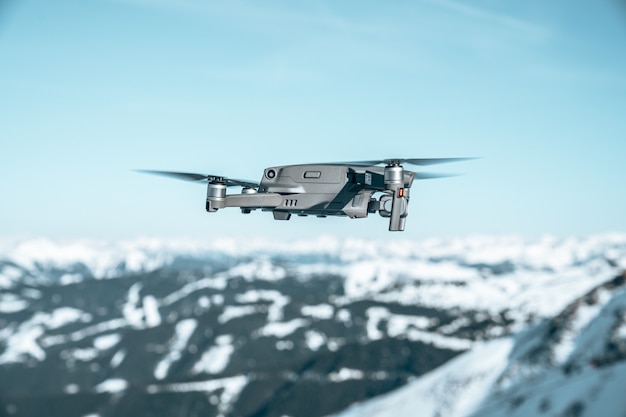
The journey of early VTOL drones is rooted in a visionary pursuit to integrate vertical take-off and landing capabilities in unmanned aerial vehicles. During the initial phases of development, inventors faced numerous aviation challenges as they ventured into uncharted territory. Early VTOL drones were conceived with revolutionary ideas but were met with significant technology hurdles regarding balance, power, and control during flight transitions. These pioneers grappled with issues such as achieving sufficient lift with limited propulsion technologies and ensuring stable hovering capabilities. Initial concepts often fell short due to the lack of advanced materials and control systems, yet they laid crucial groundwork for the evolution of today’s sophisticated models. Each attempt pushed the boundaries of what was mechanically and technologically possible, driving innovation forward. As such, these pioneering efforts set a foundation that inspired the streamlined, efficient, and versatile VTOL systems we see today, such as the modern unmanned aerial vehicle designs used in various applications.
The evolution of Vertical Take-Off and Landing technology in modern drones has been marked by significant technological breakthroughs and innovative design choices, pushing the boundaries of what’s possible. These modern VTOL designs have transformed the landscape of drone innovation, introducing unprecedented efficiency and versatility. Key advancements include:
By incorporating these current trends, modern VTOL designs continue to redefine the potential of drone technology in today’s world.
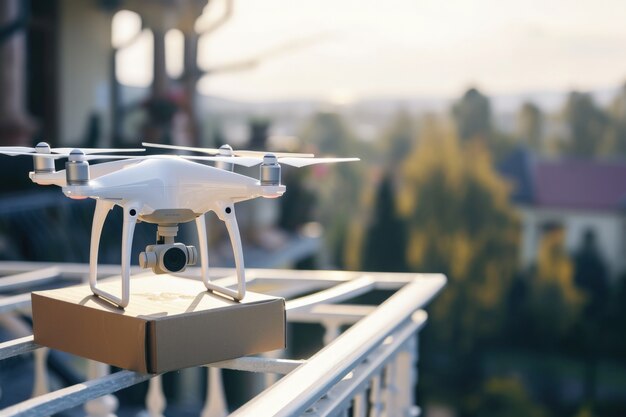
The future of VTOL drones is poised to revolutionize several industries with its transformative aerial applications. Presently, these drones have a significant industry impact, enhancing capabilities in logistics by enabling the rapid and efficient delivery of goods to previously inaccessible locations. In emergency response, VTOL technology is crucial, providing quick deployment of medical supplies and situational assessment during disasters, thereby saving lives. Moreover, the burgeoning field of urban air mobility sees VTOL drones as a cornerstone for reducing traffic congestion and pollution in cities by facilitating personal air travel and cargo transport. Looking ahead, the potential uses of VTOL drones could further redefine these industries. Innovations such as improved battery technology, autonomous navigation, and enhanced payload capacities suggest a future where VTOL drones are integral to daily operations, creating smarter, more connected urban environments and offering unprecedented possibilities in both commercial and personal spheres.