Sponsored article
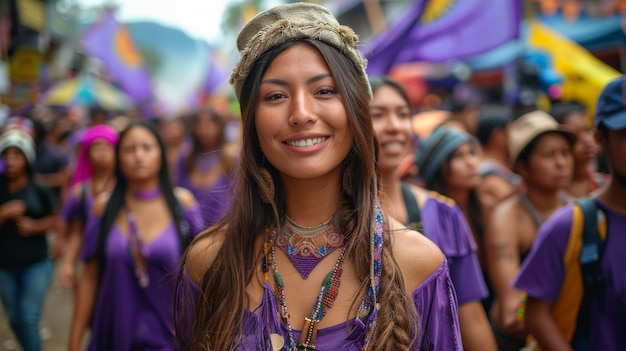
Cultural traditions are integral to personal identity, shaping how individuals perceive themselves and the world around them. These traditions, passed down through generations, influence our values, beliefs, and behaviors, creating a unique blend of identity that is both individual and collective. As society evolves, so too does our relationship with these traditions, inviting us to explore how they continue to define who we are amidst the ever-changing cultural landscape.
Understanding cultural traditions and their significance involves delving into the practices, rituals, and customs that define a community’s cultural identity. These traditions, which have been carefully preserved over centuries, serve as a vital link to the past, embodying the historical significance and accumulated wisdom of ancestors. Passed down through generations, cultural traditions play a crucial role in maintaining a community’s cultural heritage, ensuring that core values and collective memories continue to thrive amidst changing times. As a living tapestry of shared experiences, they contribute to shaping personal identity by grounding individuals in a sense of belonging and continuity. Rituals, whether in the form of ceremonial rites, festivals, or everyday customs, reinforce these values and provide a structured framework through which cultural heritage is both celebrated and preserved. By reflecting on and engaging with our cultural traditions, we sustain a rich legacy of wisdom and cultivate a deeper understanding of who we are within the larger world.
Cultural traditions play a pivotal role in shaping personal beliefs, acting as a vital framework through which individuals perceive and interact with the world. These traditions, deeply rooted in history and shared across generations, offer a sense of continuity and belonging, vital for identity development. From rituals and celebrations to language and values, cultural influence permeates various aspects of life, subtly molding attitudes and perspectives. As individuals participate in these traditions, they absorb collective wisdom and morals, which become ingrained in their belief systems. The repetition of traditional practices reinforces these beliefs, strengthening an individual’s connection to their cultural heritage. This connection fosters a unique sense of self and contributes to a cohesive identity. In this way, traditions serve not only as a bridge to the past but as a foundation for personal growth, enabling people to navigate modern challenges while maintaining a consistent sense of who they are.
Balancing cultural heritage with a modern identity presents both challenges and rewards as individuals strive to navigate the complexities of today’s ever-evolving world. Cultural adaptation becomes essential when people integrate their rich traditions into contemporary settings, allowing them to participate fully in modern society while honoring their roots. Evolving traditions illustrate this delicate balance as ancient practices adapt to new environments, thus retaining cultural significance while remaining relevant. The primary challenge lies in maintaining the integrity of one’s cultural heritage without compromising the values it embodies or diluting its essence amidst the tides of modernization. However, this balance also offers substantial benefits, as it fosters resilience and a deeper understanding of oneself, enriching personal identity with a tapestry of history and innovation. Those who successfully integrate their cultural heritage with a modern identity can cultivate a sense of belonging that honors their past while actively engaging with the present, thus paving the way for a vibrant future.