Sponsored article
Protecting your home from fire involves more than just installing a smoke alarm. It requires a deep understanding of potential fire hazards, investing in the right safety equipment, and having a well-practiced escape plan. This guide will walk you through the key elements necessary to ensure your home is well-equipped to handle fire emergencies, keeping you and your loved ones safe.
Understanding fire hazards in the home is crucial for safeguarding your loved ones and property. Common fire hazards include electrical issues, cooking equipment, and heating sources, all of which pose significant fire risks if not properly managed. Worn-out wiring or overloaded circuits can easily ignite fires, especially in older homes where the electrical systems may be outdated. Similarly, unattended cooking equipment is a leading cause of residential fires, making it essential to remain vigilant in the kitchen. As temperatures drop, heating sources become a focal point for fire risks, necessitating regular maintenance of fireplaces and heaters. Identifying these risks is the first step toward creating a safer home environment, and taking proactive preventive measures can significantly reduce the likelihood of a fire outbreak. Equipping your home with comprehensive home fire safety equipment like multipurpose extinguishers is crucial for effective protection. By addressing these common hazards, you lay the groundwork for a secure and fire-safe home.
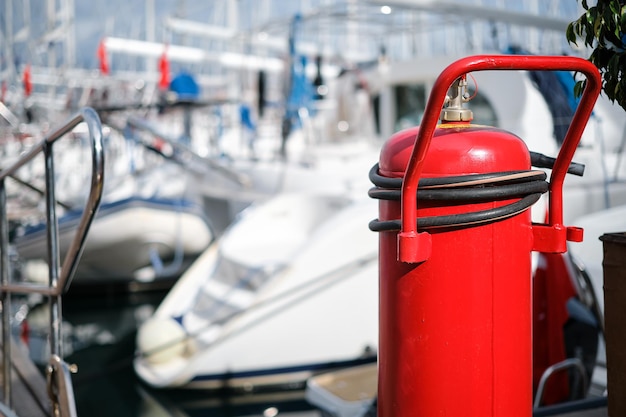
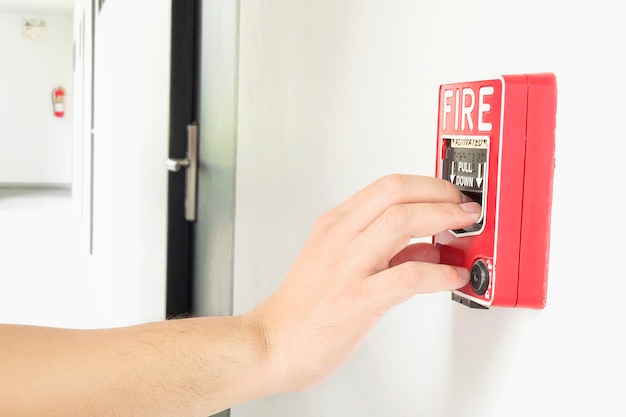
Choosing the right fire extinguishers and smoke alarms is crucial for ensuring comprehensive fire protection at home. With various types of fire extinguishers available, homeowners should consider those tailored to specific needs. For instance, a Class A extinguisher is ideal for ordinary combustibles like wood or paper, whereas a Class B is suitable for flammable liquids like grease or oil. It’s often wise to have a combination of these, such as a multipurpose AB or ABC extinguisher, for flexibility. Smoke alarms, a critical component of fire detection and safety equipment, come in ionization and photoelectric varieties. Ionization alarms are effective for fast-flaming fires, while photoelectric alarms offer quicker response to smoldering fires. For optimal fire detection, it’s recommended to install both types or opt for dual-sensor alarms. Additionally, the size and layout of the home can influence the choice: larger homes may require interconnected smoke alarms for full coverage. Tailoring your fire safety equipment to these factors ensures a swift response to any fire outbreak.
Creating an effective fire escape plan is crucial for ensuring family safety in case of an emergency evacuation. To develop a comprehensive plan tailored to the unique layout of your home, start by mapping out all possible escape routes. Identify two exits from every room, which may include doors and windows, and ensure all exit options are easily accessible. Consider the needs of each family member, including children and individuals with disabilities, to make sure everyone can evacuate swiftly. It’s essential to designate a meeting point outside your home where everyone can gather safely. The key to effectiveness is conducting regular fire drills, allowing all family members to familiarize themselves with the escape routes and procedures. Practice these drills at various times of day and in different scenarios to build confidence and ensure readiness during an actual emergency. Communicating clearly with your family about the fire escape plan can significantly enhance your household’s preparedness and ability to react promptly during critical situations.