Sponsored article
In the dynamic field of healthcare, collaboration is key to nurturing competent professionals. By integrating interprofessional collaboration into healthcare education, educators can foster a more holistic learning environment. This approach not only enhances the educational experience but also equips future healthcare providers with the skills necessary to deliver superior patient care. Dive into how leveraging teamwork across disciplines transforms medical training and prepares students for the evolving demands of the healthcare landscape.
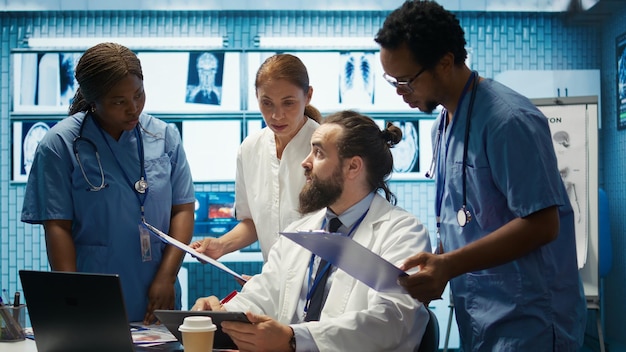
Collaboration in medical training stands as a cornerstone for advancing healthcare education. When healthcare professionals from diverse disciplines come together, they create a dynamic environment that mirrors real-world medical teams, enhancing learning experiences. Teamwork encourages the exchange of knowledge and perspectives, essential for holistic patient care. By participating in interprofessional education, students and trainees gain insights into the roles and expertise of various healthcare providers, fostering mutual respect and understanding. This collaborative approach not only prepares students for future roles but also cultivates essential skills, such as communication, problem-solving, and decision-making, which are critical in clinical settings.
Programs like the medical simulation project exemplify the significance of interprofessional teamwork. Through simulated scenarios, it enables participants to engage in hands-on practice, reflecting the complexities of real-world medical environments. Such initiatives emphasize the importance of collaboration, making them invaluable in medical training. As students work together in these simulations, they learn to coordinate effectively and think critically in high-pressure situations. Ultimately, embracing collaboration in healthcare education equips future professionals to deliver comprehensive and patient-centered care, which is vital for improving healthcare outcomes.
The benefits of fostering interprofessional relationships within healthcare education are manifold, significantly contributing to both student learning and professional development. Interprofessional relationships within an educational context provide students the opportunity to develop strong communication skills that are essential in a healthcare setting. By regularly engaging with peers from different healthcare disciplines, students learn to listen actively, articulate clearly, and address complex problems collaboratively, preparing them for the dynamic nature of professional healthcare environments. Enhanced communication keeps channels open for sharing insights and eases multidisciplinary discussions, leading to a more cohesive healthcare team.
Moreover, interprofessional relationships in healthcare education cultivate a profound understanding of each profession’s roles and responsibilities. This knowledge promotes mutual respect among future healthcare providers and ensures that each team member can effectively contribute to patient care. Through these collaborations, students are exposed to diverse perspectives and expertise, allowing them to appreciate the value each discipline brings to patient care, which ultimately results in more comprehensive and effective treatments. The professional development that occurs through these interconnections prepares students to better navigate and adapt to the ever-evolving healthcare landscape.
Integrating collaborative practices into educational curricula is paramount for fostering effective interprofessional collaboration in healthcare education. One strategy is the incorporation of interdisciplinary case studies, allowing students from various healthcare disciplines to work together in solving complex clinical scenarios. These exercises not only enhance critical thinking but also promote an understanding of each professional’s role within a team. Additionally, adopting team-based learning (TBL) as a teaching strategy encourages active participation and communication among students from different healthcare backgrounds.
Simulation-based learning experiences are another powerful method for integrating collaborative practices into educational curricula. By practicing in controlled environments that mimic real-world healthcare settings, students can develop the skills necessary to function efficiently and collaboratively under pressure. Such interprofessional learning opportunities contribute to improved educational effectiveness, as they prepare students to transition smoothly into clinical practice. This emphasis on collaboration ensures that future healthcare professionals can deliver more coordinated and patient-centered care.