Sponsored article
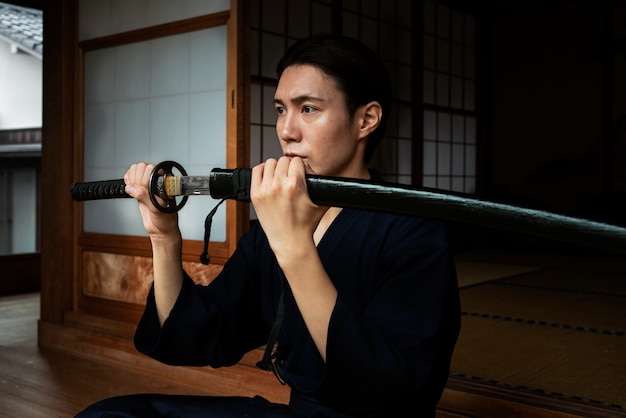
The katana, with its curved blade and storied past, stands as a powerful icon of the samurai culture. Its balance of beauty and brutality has captivated historians and enthusiasts alike. More than just a weapon, the katana embodies the spirit of the samurai—symbolizing their commitment to duty, strict discipline, and unyielding honor. Delve into the world of katanas to discover why this legendary sword continues to inspire awe and admiration across continents and generations.
The art of crafting katanas is a revered tradition, embodying the quintessence of samurai weaponry through meticulous katana craftsmanship. The journey from raw iron to a majestic blade begins with the tamahagane steel, which is expertly smelted and folded by master swordsmiths in a laborious forging process. This technique purifies and strengthens the metal, layering it to enhance its durability and unique aesthetics. The swordsmiths then employ traditional methods, passed down through generations, to shape and hone the katana’s razor-sharp edge, a process that reflects the discipline and precision integral to the samurai ethos. The final product is not merely a weapon but a work of art, infused with cultural and spiritual significance. Such craftsmanship ensures each katana is a testament to the rich history and skills of its creators, perfectly capturing the spirit of the samurai. For enthusiasts and collectors, Medieval Depot offers a range of exquisitely crafted katanas, accessible at https://www.medievaldepot.com, allowing them to own a piece of this enduring legacy.
In the realm of cultural symbolism, the katana stands as an unrivaled emblem of samurai culture, capturing the essence of samurai values and the profound depth of their warrior ethos. Known as the “soul of the samurai,” the katana transcends its role as a mere weapon, embodying the core principles that defined a samurai’s life—honor, loyalty, and spirituality. The sharp, elegant curve of the blade signifies the samurai’s unwavering pursuit of perfection and their strict code of conduct, known as bushido, which demands the highest standards of honor and righteousness. In the intricate craftsmanship of the katana, there lies a metaphor for the spiritual journey of the samurai, where forging the weapon mirrors the cultivation of one’s inner spirit and discipline. The katana’s cultural symbolism extends beyond its practical use in battle; it is intimately bound to the identity and legacy of the samurai, serving as a constant reminder of their commitment to their daimyo and the sacred duty they uphold.
The katana, a revered Japanese sword, has seamlessly transitioned from historical battlefields to the forefront of modern pop culture, achieving emblematic status as a symbol of samurai influence. Its unique design and the mystique surrounding the samurai have made the katana a staple in various media forms, from movies to video games. Films such as “Kill Bill” and “The Last Samurai” showcase the katana not only as a weapon of precision but as a representation of honor and discipline, reflecting the deeper philosophies of the samurai. Video games like “Ghost of Tsushima” and “Sekiro: Shadows Die Twice” further amplify this influence by allowing players to wield the katana, immersing them in a world where they can experience the skill and artistry required by these legendary warriors. The modern adaptation of the katana in these platforms ensures that the legacy of the samurai endures, captivating new generations while highlighting the timeless appeal of the Japanese sword in pop culture.