Sponsored article
The food industry is constantly evolving, with packaging machinery standing at the forefront of this transformation. As consumer demands shift towards sustainability, efficiency, and safety, innovative trends in packaging technology are emerging to meet these needs. This article delves into the cutting-edge developments that are redefining how food products are packaged, exploring the role of automation, sustainable practices, and smart technologies in this dynamic landscape.
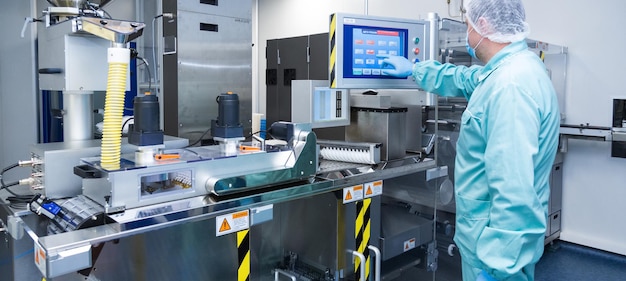
Automation is playing a pivotal role in revolutionizing food packaging machinery, bringing unprecedented efficiency and precision to the industry. Through robotics and cutting-edge technologies, automation systems streamline the process, increasing speed and accuracy while significantly reducing the likelihood of human error. Robotics in particular enables intricate tasks such as picking and placing, sorting, and quality inspection with unmatched consistency. By automating repetitive tasks, packaging companies can maximize productivity and maintain higher standards of quality and safety. This transformation is crucial in meeting the ever-growing demand for packaged foods.
Companies like Rafpol are spearheading these advancements by providing state-of-the-art automated solutions tailored to specific needs. Their expertise in integrating advanced automation technologies ensures seamless adaptation into existing manufacturing processes. As a result, the deployment of automated food packaging machinery not only enhances operational efficiency but also helps businesses stay competitive by reducing labor costs and optimizing overall workflow. This shift towards automation represents a significant trend in the ongoing evolution of the packaging industry.
The shift towards sustainable packaging solutions is a transformative trend in the food industry, driving innovation in packaging machinery to address growing environmental concerns. As consumers and stakeholders demand more eco-friendly alternatives, food companies are turning to sustainable packaging that prioritizes eco-friendly materials and green technology. This shift is not just about reducing the environmental footprint but also about tapping into a new market of environmentally conscious consumers. Biodegradable plastics, recycled materials, and compostable packaging are becoming crucial components in packaging strategies, offering a tangible reduction in waste and pollution.
Green technology plays a vital role in this evolution, with advanced machinery now capable of efficiently handling sustainable packaging materials. From reducing energy consumption during production to enabling the use of innovative materials like plant-based plastics, these technologies are shaping the future of packaging in the food sector. This forward-thinking approach underscores the commitment of the industry towards creating a more sustainable future, setting a benchmark for others to follow in reducing the impact on our planet.
Smart packaging technologies are revolutionizing the food industry by significantly enhancing food safety and extending the shelf life of products. At the forefront of this innovation are sensors, which are integrated into packaging to actively monitor and relay information about the condition of the food. These sensors can detect changes in temperature, humidity, and gas emissions, serving as an early warning system for potential spoilage or contamination. By providing real-time data, smart packaging allows manufacturers and consumers alike to ensure that food is stored and consumed under optimal conditions, thereby reducing waste and enhancing overall quality.
In addition to sensors, advanced tracking systems embedded in smart packaging enable seamless traceability throughout the supply chain. With the ability to track the journey of food products from production to consumption, these systems enhance food safety by ensuring strict adherence to safety standards and regulations. The coupling of sensors and tracking technologies in smart packaging not only builds consumer trust but also equips businesses with the tools required to respond swiftly to potential food safety threats, thereby safeguarding public health while optimizing operational efficiency.