Sponsored article
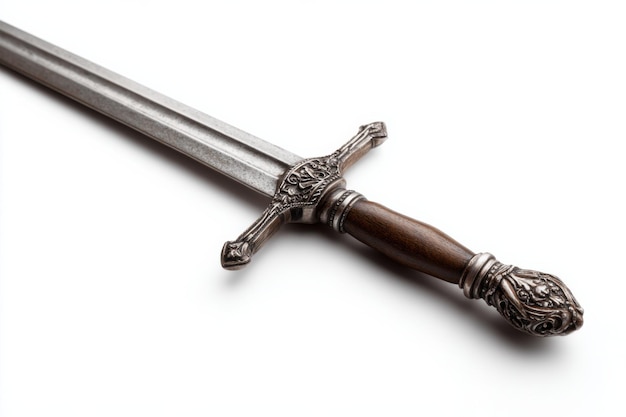
Decorative daggers hold a fascinating place within the realm of both weaponry and art. As intricate creations that blend form and function, these artifacts not only tell the story of past eras but also showcase the evolution of artistic expression through various cultures. This exploration will take you through the history, craftsmanship, and modern significance of these beautifully crafted weapons, shedding light on their enduring allure and timeless appeal.
The history of decorative daggers is rich and varied, tracing back to ancient civilizations where these weapons were not only tools of warfare but also symbols of power and prestige. Across cultures, ancient daggers have held deep cultural significance, often reflecting the skill of master craftsmen and artisans. For example, in ancient Egypt, daggers were intricately designed and placed in the tombs of pharaohs as symbols of their divine status. Similarly, the ornate daggers of the ancient Persians, crafted with precious metals and stones, were embodiments of wealth and honor.
The symbolic meaning of decorative daggers extends beyond their practical use, representing themes of protection, courage, and authority. In medieval Europe, ceremonial daggers were integral to knights’ attire, signifying their loyalty and valor. Likewise, in Asian cultures, especially in Japan, ceremonial daggers like the tantō were used in rituals, imbued with virtues of bravery and self-discipline. For enthusiasts and collectors today, these historical blades offer not just aesthetic beauty but a link to the past, beautifully captured in collections like those at Medieval Depot, where the intricate art of dagger craftsmanship continues to be celebrated. More information on this topic awaits you at https://www.medievaldepot.com/collections/knives.
In the realm of dagger craftsmanship, the artistry and attention to detail in crafting these exquisite pieces are truly remarkable. Skilled artisans meticulously select dagger materials to ensure both beauty and durability. The choice of metals is crucial, with high-quality steel often employed for its excellent balance of strength and workability. For more luxurious designs, craftsmen may opt for silver, gold, or even damascus steel, noted for its distinctive wavy patterns and superior performance in decorative blade creation. Complementing the metalwork, precious and semi-precious stones are frequently inset into the hilt or pommel, adding a touch of opulence and vibrancy. These can include:
The artisan techniques employed in creating such ornamental daggers combine ancient traditions with modern innovations. Intricate engravings and embellishments, often inspired by cultural motifs, elevate each piece to a unique work of art. Engravers may incorporate scrollwork, floral designs, or even personalized insignias, which require an exceptional degree of precision. The craftsmanship involved in these detailed creations not only demands unparalleled skill but also an artistic sensibility to transform raw materials into stunning masterpieces. Through a fusion of material mastery and creativity, these decorative daggers continue to captivate enthusiasts and collectors alike.
In today’s world, modern decorative daggers are experiencing a renaissance, celebrated as both artistic creations and historical treasures. As the line between weaponry and artwork continues to blur, enthusiasts and dagger collectors are becoming increasingly captivated by these pieces, which often embody a fusion of tradition and innovation. Contemporary designs are breathing new life into this age-old craft, with artisans skillfully blending ancient motifs with modern minimalism and bold, avant-garde styles. This synergy has created a vibrant market where both seasoned collectors and new enthusiasts seek out unique pieces that tell a story of cultural evolution and artistic prowess.
The collectors’ market for these exquisite items has expanded significantly, driven by a burgeoning interest in art that transcends its functional origins. Rare and limited-edition collectible daggers are highly sought after, often fetching premium prices at auctions and specialty shops. Meanwhile, exhibitions and online platforms allow for greater community engagement, fostering a deeper appreciation for the intricate craftsmanship and diverse cultural meanings these modern decorative daggers embody. As interest continues to grow, so does the dialogue between past and present, offering endless possibilities for future interpretations of this timeless art form.