Sponsored article
In today’s complex healthcare landscape, the ability to collaborate effectively with other professionals is essential. Healthcare workers must break down silos to deliver comprehensive patient care. Interprofessional training emerges as a vital solution, equipping healthcare teams with the necessary skills to improve communication, foster teamwork, and ultimately enhance patient safety and outcomes. This article explores how interprofessional training can strengthen these collaborative skills.
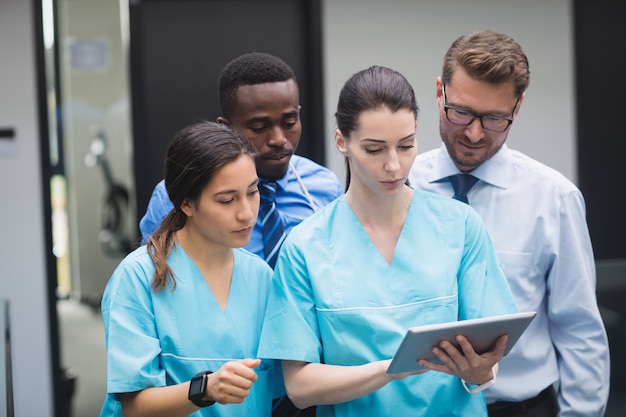
Collaborative skills in healthcare are crucial for ensuring high-quality patient care and optimal outcomes. In the fast-paced and complex environment of healthcare, effective healthcare teamwork enhances communication and coordination among diverse professionals, which is essential for providing comprehensive and timely patient care. By working collaboratively, healthcare teams can draw on the strengths and expertise of each member, leading to more innovative solutions and improved clinical judgements. This teamwork reduces the likelihood of errors and enhances patient safety, ensuring that patients receive the best possible care.
The importance of collaborative skills extends beyond the clinical benefits to also positively impacting patient satisfaction. When healthcare professionals function as a cohesive team, patients often feel more informed and supported, contributing to overall well-being and trust in the healthcare system. Training initiatives like medical simulation scenarios medical simulation scenarios provide healthcare professionals with the opportunity to develop and refine these critical skills in a controlled and educational setting, fostering a culture of collaboration and readiness in real-world applications.
Interprofessional training methods are essential in equipping healthcare professionals with the necessary collaborative skills crucial for effective patient care. One approach gaining traction is team-based learning, which encourages participants from different healthcare disciplines to work together in solving case studies or medical challenges. This method promotes critical thinking and communication as team members share their expertise and perspectives, fostering an integrative approach to problem-solving. Simulation exercises also serve as a vital component, providing a safe and controlled environment where practitioners can engage in realistic patient scenarios. These simulations allow healthcare workers to practice their interprofessional collaboration skills, understand each other’s roles, and learn how to make team-based decisions in high-pressure situations without the risk of harm to real patients.
Additionally, workshops offer dynamic and interactive settings where professionals can come together to discuss best practices and develop strategies for improved healthcare delivery. Such workshops facilitate interpersonal communication and understanding across various fields through structured activities and role-playing scenarios that mimic real-world healthcare environments. By incorporating these interprofessional training methods, healthcare institutions can create a collaborative learning culture that enhances team functioning and patient outcomes. Emphasizing the importance of interprofessional education ensures that all team members are confident in their collaborative skills, improving the quality of care provided to patients.
The impact of interprofessional training on patient outcomes is a crucial consideration in modern healthcare settings. By fostering a collaborative approach among diverse healthcare professionals, this type of training leads to enhanced care quality. When medical teams, including doctors, nurses, pharmacists, and therapists, collaborate effectively, they are better equipped to address complex patient needs comprehensively. Such collaboration reduces communication gaps, ensures every team member is aligned on treatment plans, and allows for a more holistic view of patient care. As a consequence, patients benefit from improved treatment outcomes and a higher standard of care.
Moreover, interprofessional training plays a pivotal role in reducing errors within healthcare environments. Through collaborative practices, healthcare professionals learn to trust each other’s expertise and work in a synchronized manner. This coordinated effort significantly decreases the likelihood of medical errors, which are often a result of miscommunication or oversight. Ultimately, the focus on healthcare collaboration reinforces patient safety and raises the bar for medical excellence, emphasizing the importance of teamwork in achieving superior patient outcomes.